
Remarkable_textures_and_the_subtle_art_of_spinking_elevate_contemporary_interior
- Remarkable textures and the subtle art of spinking elevate contemporary interior aesthetics
- The Art of Surface Manipulation
- Understanding Material Options
- Color and Texture: A Synergistic Relationship
- The Impact of Lighting
- Integrating Textured Finishes into Different Design Styles
- Textured Finishes in Specific Rooms
- The Future of Textured Surfaces
- Beyond Aesthetics: The Sensory Experience
Remarkable textures and the subtle art of spinking elevate contemporary interior aesthetics
The world of interior design is in constant evolution, always seeking new ways to add depth, texture, and visual interest to spaces. While established techniques like layering materials and utilizing contrasting colors remain foundational, emerging trends continuously redefine what’s considered aesthetically pleasing. One such trend, gaining traction among designers and homeowners alike, is the application of subtly textured finishes achieved through a process often referred to as spinking. This technique isn't about a drastic overhaul; rather, it’s a nuanced approach to surface treatment that adds a layer of sophistication and tactility to walls, furniture, and decorative elements.
The appeal of these textured surfaces lies in their ability to interact with light, creating dynamic shadows and highlights throughout the day. This interplay of light and shadow enhances the spatial experience, making rooms feel more inviting and visually stimulating. Beyond aesthetics, the use of textured finishes can also serve practical purposes, such as concealing minor imperfections in walls or adding grip to surfaces. The popularity of organic forms and natural materials within contemporary design has created the perfect environment for this delicate technique to flourish, offering a unique character without imposing itself.
The Art of Surface Manipulation
Achieving a desirable textured finish requires more than simply applying a coating. It’s a delicate process of manipulating materials to create a specific aesthetic. Traditionally, this involved skilled artisans utilizing specialized tools and techniques passed down through generations. However, modern advancements in materials and application methods have made textured finishes more accessible to a broader range of professionals and even DIY enthusiasts. The foundations of this process often begin with a primer to ensure proper adhesion and a consistent base for the subsequent layers of material. The specific type of primer used will depend on the underlying surface and the final finish desired. Different primers offer varying levels of adhesion, flexibility, and resistance to moisture and wear. A thorough understanding of these properties is paramount to achieving a long-lasting and visually appealing result.
Understanding Material Options
The choice of material is crucial to the success of any surface manipulation project. A diverse range of options are available, each offering unique characteristics and aesthetic possibilities. Lime plasters, for example, provide a naturally textured surface with a soft, organic feel. They are also known for their breathability, which helps to regulate humidity and prevent the growth of mold. Acrylic-based textures, on the other hand, are more durable and water-resistant, making them suitable for high-traffic areas or spaces exposed to moisture. Other options include Venetian plasters, which create a polished, marble-like effect, and clay plasters, which offer a warm, earthy aesthetic. Choosing the right material requires careful consideration of the desired aesthetic, the practical requirements of the space, and the skill level of the applicator.
The application tools are also incredibly diverse. From simple spatulas and trowels to specialized brushes and rollers, the range of options reflects the varied textures achievable. The technique used – whether it's a swirling motion, a random stippling effect, or a layered application – dictates the final visual outcome. Furthermore, the number of coats applied deeply impacts the final appearance; more coats generally create a more pronounced and durable texture.
| Material | Durability | Aesthetic | Cost |
|---|---|---|---|
| Lime Plaster | Moderate | Organic, Soft | Medium |
| Acrylic Texture | High | Modern, Versatile | Low-Medium |
| Venetian Plaster | Moderate-High | Polished, Luxurious | High |
| Clay Plaster | Moderate | Earthy, Warm | Medium-High |
The selection process shouldn’t solely focus on the initial cost; long-term maintenance and potential repair expenses should also be carefully weighed. A higher upfront investment in a more durable material may prove more cost-effective in the long run, especially in high-use areas.
Color and Texture: A Synergistic Relationship
Color and texture are inextricably linked in interior design. The way color interacts with texture significantly influences the overall mood and ambiance of a space. Deep, saturated colors tend to accentuate texture, making it more prominent and dramatic. Conversely, lighter, more neutral colors can soften the appearance of texture, creating a more subtle and understated effect. When working with textured finishes, it’s important to consider how the chosen color will interact with the surface variations and shadows created by the texture. Layering different shades of the same color family can also enhance the dimensionality and visual interest of a textured wall or surface. This approach creates a sense of depth and complexity without overwhelming the space.
The Impact of Lighting
Lighting plays a pivotal role in showcasing the beauty of textured finishes. The angle and intensity of light will dramatically alter the way the texture is perceived. Direct lighting, such as spotlights or track lighting, will highlight the peaks and valleys of the texture, creating strong shadows and dramatic contrasts. Indirect lighting, such as wall sconces or uplighting, will provide a softer, more diffused glow, minimizing shadows and emphasizing the overall form of the surface. Experimenting with different lighting schemes is crucial to finding the optimal way to showcase the texture and create the desired atmosphere within a space. Utilizing dimmers allows for adjusting the light level to suit different times of day and activities.
- Consider the undertones of the color and how they will interact with the texture.
- Experiment with different lighting schemes to see how they affect the texture's appearance.
- Use matte finishes to enhance the texture and avoid creating glare.
- Layer different shades of the same color family to create depth and dimension.
- Don’t be afraid to introduce contrasting textures to create visual interest.
The consideration of luminance and reflectivity is also paramount. Highly reflective textures will bounce light around the room, making it feel brighter and more spacious. Conversely, more matte textures will absorb light, creating a more intimate and cozy atmosphere. The intentional selection of surface reflectivity can significantly augment the overall design scheme.
Integrating Textured Finishes into Different Design Styles
One of the remarkable aspects of textured finishes is their versatility. They seamlessly integrate into a wide range of design styles, from rustic and traditional to modern and minimalist. In a rustic setting, textured plaster walls can complement natural wood furniture and exposed beams, creating a warm and inviting atmosphere. In a modern space, subtly textured surfaces can add a touch of sophistication and tactility to clean lines and minimalist forms. The key to successful integration lies in choosing textures and colors that align with the overall design aesthetic and complement the existing architectural features. When working with a minimalist space, avoid overly ornate or busy textures, opting instead for subtle variations that add depth without distracting from the simplicity of the design.
Textured Finishes in Specific Rooms
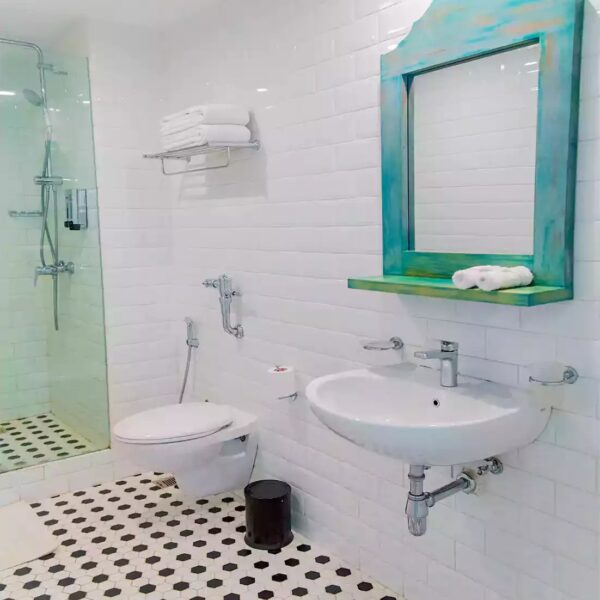
The application of textured finishes can be particularly impactful in certain rooms. In living rooms, textured walls can create a cozy and inviting atmosphere, perfect for relaxation and socializing. In bedrooms, subtle textures can promote a sense of calm and tranquility. In bathrooms, water-resistant textures can add a touch of luxury and sophistication while providing practical benefits. Entryways benefit from durable textures that can withstand heavy foot traffic and mask wear and tear. Kitchens can utilize textured backsplashes to add visual interest and functionality. This adaptability makes textured surfaces a valuable asset in interior design projects. The thoughtful choice of texture and color can transform a mundane room into a captivating and personalized space.
- Prioritize durability in high-traffic areas, such as hallways and kitchens.
- Choose moisture-resistant textures for bathrooms and laundry rooms.
- Use softer textures in bedrooms and living rooms to create a calming atmosphere.
- Consider the lighting conditions when selecting a texture and color.
- Don't be afraid to experiment with different textures and techniques to find the perfect look.
Proper preparation of the substrate is equally important. Cracks and imperfections must be addressed to guarantee the outcome is as expected. Ignoring this step can lead to cracking or peeling in the long term, defeating the purpose of the textured effect.
The Future of Textured Surfaces
The exploration of textured surfaces continues, driven by a desire to create increasingly immersive and engaging interior environments. New materials and application techniques are constantly emerging, pushing the boundaries of what's possible. We’re seeing a growing interest in sustainable and eco-friendly textures, such as those made from recycled materials or natural fibers. Furthermore, advancements in digital printing technology are allowing for the creation of highly customized textures and patterns, opening up exciting new possibilities for designers. The integration of technology, like interactive textured walls that respond to touch or sound, also represents a potential future direction. It’s a dynamic field that constantly seeks innovation.
The personalized element is crucial. Clients are increasingly seeking bespoke finishes that reflect their individual style and preferences. This trend drives designers to become more collaborative, working closely with clients to create unique textures that perfectly complement their vision. The focus on craftsmanship remains paramount, with a growing appreciation for the skill and artistry involved in creating these textured surfaces. This resurgence of appreciation for handmade finishes adds to the enduring appeal of spinking and related techniques.
Beyond Aesthetics: The Sensory Experience
The incorporation of textured elements in interior spaces extends beyond aesthetic appeal to embrace a holistic sensory experience. Human beings are inherently tactile creatures, and engaging the sense of touch can significantly enhance our connection to a space. Textured surfaces invite exploration, encouraging individuals to reach out and interact with their surroundings. This tactile engagement can evoke positive emotions and create a more memorable and immersive environment. Consider the calming effect of running your hand across a softly textured wall or the invigorating sensation of a rough stone surface underfoot. These seemingly small details can have a profound impact on our overall well-being.
This focus on the sensory experience also extends to the acoustic properties of textured surfaces. Certain textures, particularly those with depth and irregularities, can help to absorb sound, reducing echo and creating a more peaceful and acoustically balanced environment. This is particularly beneficial in open-plan spaces or rooms with hard surfaces, where sound can easily reverberate. The thoughtful application of textured materials can therefore contribute to both the visual and auditory comfort of a space, creating a truly holistic and harmonious environment.

All Categories
- ! Без рубрики
- 1
- 10
- 11
- 12
- 14
- 167
- 18
- 2
- 22
- 24
- 25
- 3
- 5
- 6
- 7
- 7ABET Casino
- 8
- 8ty8 Casino
- a16z generative ai
- Adventure
- B7 Casino
- Bananzia Casino
- Betero Casino
- Betportal Casino
- Blog
- Bonus Crab Casino
- Business
- Candybet Casino
- casino
- Cazeus
- Chicken Road 2
- Crazy Tower Сasino
- Dazard Casino
- Divaspin
- Dragonia
- Dragonia Casino
- Fridayroll
- Gambling
- gambling/casinos
- Ginja Casino
- Godz Casino
- Highflybet
- HighSpin Casino
- HitMate88 Casino
- IGAMING
- Ilmaiskierroksia Ilman Kierrätystä
- Info
- JetSetSpins Casino
- Joki Casino
- Kasyno Minimalny Depozyt 10 Zł
- Kasyno Z Wypłatą Skrill: Czas, Limity i Opłaty
- Keyzino Casino
- Lifestyle
- Lizaro
- Lizaro Casino
- Magius
- Megapari
- MineBit Casino
- Monsterwin
- news
- Night Win Casino
- novos-casinos-2026
- Online Wetten
- Parhaat Maltalaiset Kasinot
- Piggybet Casino
- Post
- public
- Redracer Casino
- Ringospin Casino
- Roulo Casino
- Slimking Casino
- Spei
- Speicasino
- SpinChester Casino
- Suomi Kasinot
- TuzBet Casino
- Uncategorized
- Uudet Nettikasinot Ilman Talletusta
- Verywell Casino
- Viperwin
- Viro Casino Verovapaa: TOP 3 Parhaat EMTA-Kasinot 2026
- Winbeast
- Winnita
- winpalace casino
- Wishwin Casino
- Wypłacalne Kasyna Internetowe BLIK 2026: Gdzie Wypłacić?
- Zahraniční Online Casina V Česku
- Zombillion Casino
Tags

Thailand