
Historic_Landscapes_Featuring_the_chicken_road_Attract_Scenic_Driving_Enthusiast
- Historic Landscapes Featuring the chicken road Attract Scenic Driving Enthusiasts
- The Historical Context of Challenging Roads
- The Appeal of Scenic Drives and Challenging Routes
- Vehicle Preparation and Safety Considerations
- The Role of Local Communities in Route Preservation
- Emerging Trends in Scenic Route Tourism
Historic Landscapes Featuring the chicken road Attract Scenic Driving Enthusiasts
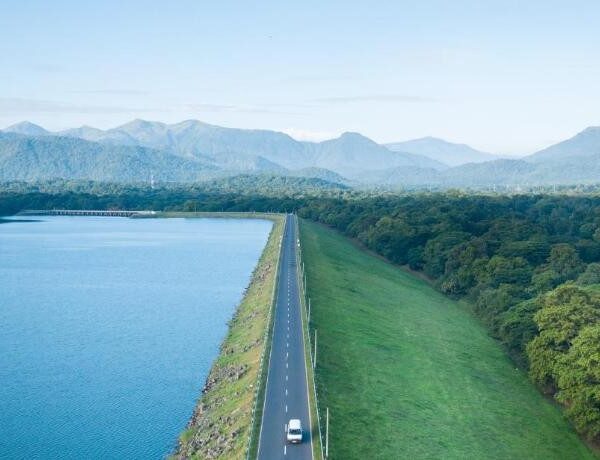
chicken road. The allure of a scenic drive is undeniable, and for many motorists and motorcycle enthusiasts, the journey is just as important as the destination. Certain roads, steeped in history and offering breathtaking views, have gained almost legendary status. Among these captivating routes, the
This route isn’t just about navigating a difficult roadway; it’s about immersing oneself in the landscape and feeling a connection to the past. Often traversing mountainous regions or isolated countryside, these roads reveal glimpses into local history and offer vantage points rarely seen by those sticking to main highways. The appeal lies in the rawness, the unpredictability, and the sense of accomplishment that comes with conquering a challenging stretch of pavement. It's a testament to the enduring human desire to explore and connect with the natural world, forging memories that linger long after the engine cools.
The Historical Context of Challenging Roads
The development of roads, particularly those considered challenging today, is deeply intertwined with the history of transportation and settlement. Initially, many of these routes weren’t intentionally designed for recreation, but rather as essential links for commerce, resource extraction, or military purposes. Early road builders often faced significant obstacles, navigating difficult terrain and relying on manual labor to clear paths and construct rudimentary surfaces. These early endeavors frequently followed existing trails used by indigenous populations, adapting them for wheeled vehicles where possible. The resulting pathways inevitably reflected the contours of the land, leading to steep grades, sharp turns, and potentially hazardous conditions. Many such roads were improved incrementally over decades, or even centuries, reflecting changing technologies and evolving transportation needs.
The advent of the automobile dramatically reshaped the landscape of road construction and usage. As vehicles became more common, the demand for better roads grew, leading to the paving of many previously unpaved routes. However, some roads, primarily those in remote areas or those deliberately maintained as ‘scenic byways,’ retained their original character. These roads often retain a sense of authenticity, offering a glimpse into a bygone era. The historical significance of these routes continues to attract enthusiasts, drawn by the opportunity to experience a connection to the past. Maintaining these roads presents unique challenges, requiring a balance between preserving their historical integrity and ensuring their usability for modern vehicles.
| Road Feature | Historical Origin |
|---|---|
| Steep Grades | Necessity due to terrain; limited engineering capabilities |
| Sharp Turns | Following natural contours; avoiding obstacles |
| Unpaved Surfaces | Initial construction materials; limited resources |
| Narrow Widths | Limited construction space; low traffic volume |
The evolution of road building techniques has necessitated a critical consideration: preserving the character of these historic roads. Modernization efforts must carefully balance safety improvements with maintaining the feeling of journeying through time. A truly well-preserved route showcases both engineering ingenuity and the historical context in which it was built.
The Appeal of Scenic Drives and Challenging Routes
The popularity of scenic drives and challenging routes stems from a variety of factors, extending beyond simply getting from point A to point B. For many, the act of driving itself is a form of therapy, providing a sense of freedom and escape from the stresses of daily life. A winding road, surrounded by stunning scenery, can be incredibly invigorating, offering a mental reset and a chance to reconnect with nature. The challenge presented by a difficult road adds an element of excitement and accomplishment, fostering a sense of mastery and control. Furthermore, scenic drives often provide opportunities to explore charming towns, historical sites, and local attractions, enriching the overall experience.
The rise of automotive tourism has played a significant role in promoting the appreciation of scenic routes. Organizations dedicated to preserving and promoting these roads have sprung up around the world, actively advocating for their maintenance and protection. Online communities and forums allow enthusiasts to share their experiences, recommend routes, and connect with like-minded individuals. The desire for authentic experiences, away from the crowds and commercialism of mainstream tourism, is a powerful driver of interest in these roads. The increased accessibility of information through digital platforms has made it easier than ever for travelers to discover and plan their own scenic adventures.
- Enhanced focus and mindfulness through active driving.
- Connection with nature and appreciation of the surrounding environment.
- Sense of freedom and escapism from daily routines.
- Opportunity to explore local culture and historical sites.
- The thrill of overcoming a challenging driving experience.
The experience of navigating a challenging road is often deeply personal. Some seek the adrenaline rush of pushing their driving skills, while others simply appreciate the tranquility and beauty of the surroundings. Whatever the motivation, the rewards of a well-planned scenic drive are immeasurable, offering a unique and enriching travel experience unlike any other.
Vehicle Preparation and Safety Considerations
Embarking on a challenging drive, like those found on the
Beyond vehicle preparation, the driver must also be adequately prepared. This includes having a valid driver’s license, understanding the road conditions, and being aware of potential hazards such as wildlife, falling rocks, and unpredictable weather. It’s important to drive defensively, maintaining a safe following distance, and adjusting speed to the conditions. Fatigue is a significant risk factor, so it’s essential to get sufficient rest before the drive and take regular breaks. Letting someone know your route and expected return time is a wise precaution. It’s also worthwhile to research local weather patterns and road closures before departure.
- Perform a comprehensive vehicle inspection before departure.
- Pack an emergency kit with essential supplies.
- Check weather forecasts and road conditions.
- Drive defensively and maintain a safe speed.
- Take regular breaks to avoid fatigue.
- Inform someone of your route and estimated return time.
Ultimately, the key to a safe and enjoyable drive on a challenging road is planning, preparation, and a constant awareness of your surroundings. Prioritizing safety should always be the paramount concern, ensuring that your adventure remains a positive and memorable experience.
The Role of Local Communities in Route Preservation
The preservation of scenic roads is not solely the responsibility of government agencies or enthusiast groups; local communities play a critical role in maintaining their character and ensuring their long-term viability. Residents often possess a deep understanding of the road’s history, its cultural significance, and its ecological importance. Their involvement in preservation efforts can provide invaluable insights and ensure that projects are sensitive to local concerns. Supporting local businesses along these routes is another way communities can contribute to their preservation, bolstering the local economy and encouraging responsible tourism.
Local governments can implement policies that protect scenic roads from inappropriate development and encourage sustainable tourism practices. This may include establishing scenic byway designations, implementing zoning regulations that restrict development near the road, and promoting eco-tourism initiatives. Collaboration between local communities, government agencies, and enthusiast groups is essential for developing and implementing effective preservation strategies. Often, local artisans and craftspeople benefit from the increased tourism, and their work can become synonymous with the identity of the regions through which these roads pass. Maintaining a dialogue between these different stakeholders ensures that preservation efforts are both effective and beneficial to all involved.
Emerging Trends in Scenic Route Tourism
Scenic route tourism is evolving, with several emerging trends shaping the future of these adventures. One noteworthy trend is the growing interest in off-season travel, allowing travelers to avoid crowds and experience the roads in a different light. Another is the increasing demand for sustainable tourism options, with travelers seeking to minimize their environmental impact and support local communities. Electric vehicles (EVs) are also becoming more prevalent, creating a need for charging infrastructure along scenic routes. The use of technology, such as GPS-enabled navigation apps and immersive virtual tours, is enhancing the planning and enjoyment of these journeys. Social media platforms play a significant role in sharing experiences and inspiring others to explore these routes.
The integration of cultural experiences into scenic drives is also gaining popularity. Travelers are increasingly seeking opportunities to learn about the history, art, and cuisine of the regions they are visiting. This trend is driving demand for guided tours, cultural festivals, and local food experiences along scenic routes. The future of scenic route tourism will likely be characterized by a greater emphasis on personalization, sustainability, and cultural immersion, offering travelers unique and enriching experiences that respect both the environment and local communities. Furthermore, the diversification of accommodation options, from boutique hotels to glamping sites, caters to a wider range of traveler preferences.

All Categories
- ! Без рубрики
- 1
- 10
- 11
- 12
- 14
- 167
- 18
- 2
- 22
- 24
- 25
- 3
- 5
- 6
- 7
- 7ABET Casino
- 8
- 8ty8 Casino
- a16z generative ai
- Adventure
- B7 Casino
- Bananzia Casino
- Betero Casino
- Betportal Casino
- Blog
- Bonus Crab Casino
- Business
- Candybet Casino
- casino
- Cazeus
- Chicken Road 2
- Crazy Tower Сasino
- Dazard Casino
- Divaspin
- Dragonia
- Dragonia Casino
- Evolve Casino
- Fridayroll
- Gambling
- gambling/casinos
- Ginja Casino
- Godz Casino
- Highflybet
- HighSpin Casino
- HitMate88 Casino
- IGAMING
- Ilmaiskierroksia Ilman Kierrätystä
- Info
- JetSetSpins Casino
- Joki Casino
- Kasyno Minimalny Depozyt 10 Zł
- Kasyno Z Wypłatą Skrill: Czas, Limity i Opłaty
- Keyzino Casino
- Kingmaker Casino
- Lifestyle
- Lizaro
- Lizaro Casino
- Lolajack Casino
- Magius
- Megapari
- MineBit Casino
- Monsterwin
- Monsterwin Casino
- news
- Night Win Casino
- novos-casinos-2026
- Online Wetten
- Parhaat Maltalaiset Kasinot
- Piggybet Casino
- Pistolo Casino
- Post
- public
- Redracer Casino
- Ringospin Casino
- Roulo Casino
- Slimking Casino
- Spei
- Speicasino
- SpinChester Casino
- Suomi Kasinot
- TuzBet Casino
- Uncategorized
- Unlimluck
- Uudet Nettikasinot Ilman Talletusta
- Verywell Casino
- Viperwin
- Viro Casino Verovapaa: TOP 3 Parhaat EMTA-Kasinot 2026
- Westace
- Westace Casino
- Winbeast
- Winnita
- winpalace casino
- Wishwin Casino
- Wypłacalne Kasyna Internetowe BLIK 2026: Gdzie Wypłacić?
- Yoyospins Casino
- Zahraniční Online Casina V Česku
- Zombillion Casino
Tags

Thailand